The resale and consignment market in the Philippines is having a moment. Platforms like Carousell and Instagram shops have normalized buying pre-loved — but the brands that are winning in this space are not the ones with the most listings. They are the ones that have figured out how to make secondhand feel as premium and curated as buying new. The Second Haus came to us with exactly that ambition: build a brand that earns the trust and desire of Cebu's most style-conscious shoppers.
The Brief: Premium Consignment Without the Secondhand Stigma
The core challenge was positioning. Consignment carries a perception problem — for many shoppers, it still feels like buying someone's unwanted things. The Second Haus needed to flip that narrative entirely: every piece is curated, authenticated, and given a second life by people who genuinely love fashion. The brand had to communicate warmth and approachability without sacrificing the premium quality signal. Think: a beautifully curated boutique you want to spend time in, not a bazaar you feel slightly self-conscious about.
“The best luxury resale brands do not apologize for being resale. They celebrate it — the story behind the piece, the sustainability angle, the thrill of the find. That was the territory we wanted The Second Haus to own.”
The Identity: Refined, Warm, and Intentional
We started with typography — a transitional serif logotype that felt elevated and timeless, paired with a clean geometric sans-serif for body copy and labels. The combination communicates curated luxury without stiffness. The palette — Charcoal, Warm Sand, Linen, Terracotta, and Sage — was built to feel like stepping into a beautifully dressed home: warm, collected, and instantly comfortable. Every color decision was made to evoke the feeling of pieces with history, not pieces that were simply owned by someone else.
The Touchpoints That Built Trust
What we delivered for The Second Haus across 8 weeks:
- Primary logotype, monogram mark, and inverted dark version — a complete logo suite built for every context
- Color system and typography hierarchy — the visual rulebook that keeps everything consistent
- Branded dust bags — the tactile brand moment that turns every purchase into an experience
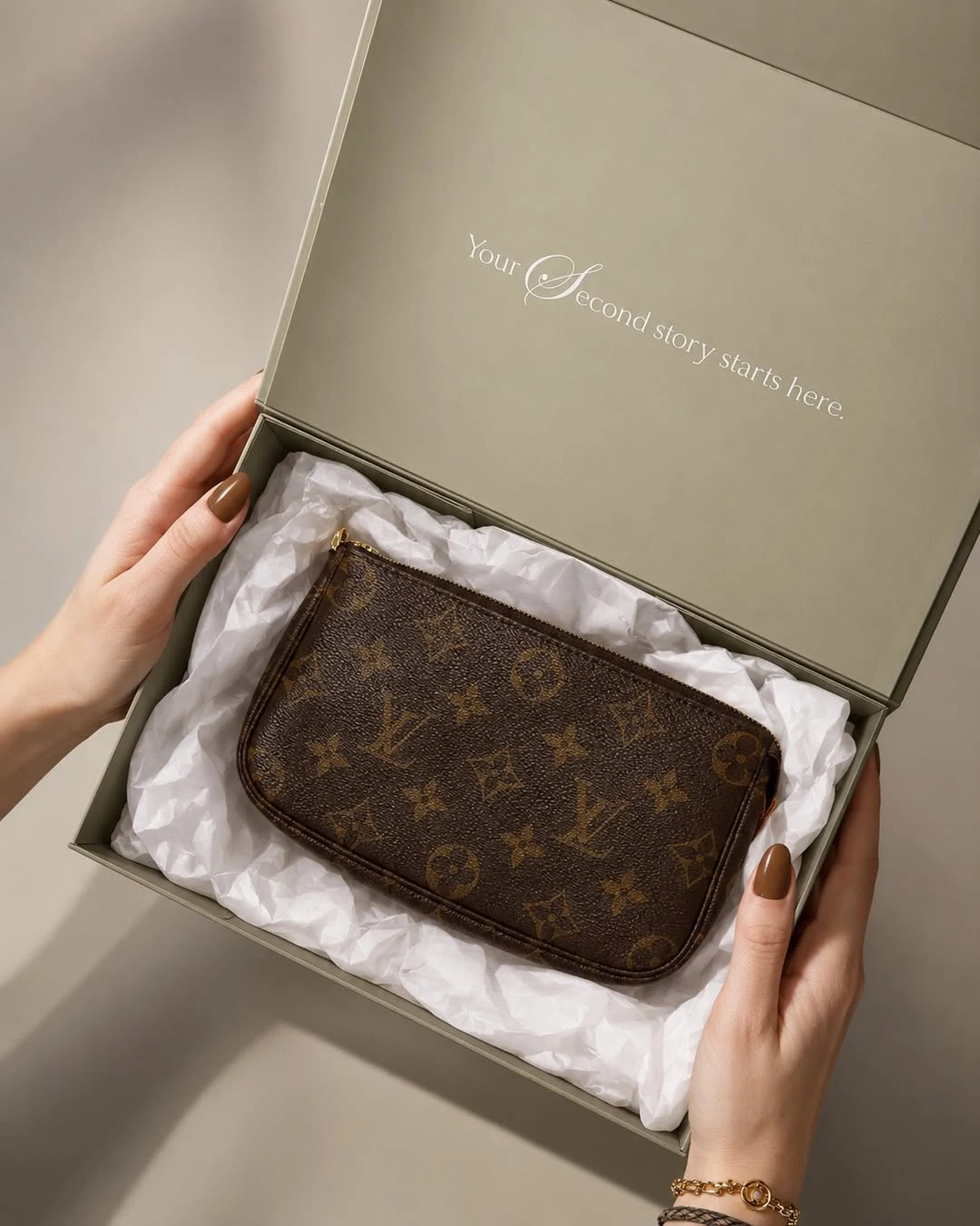
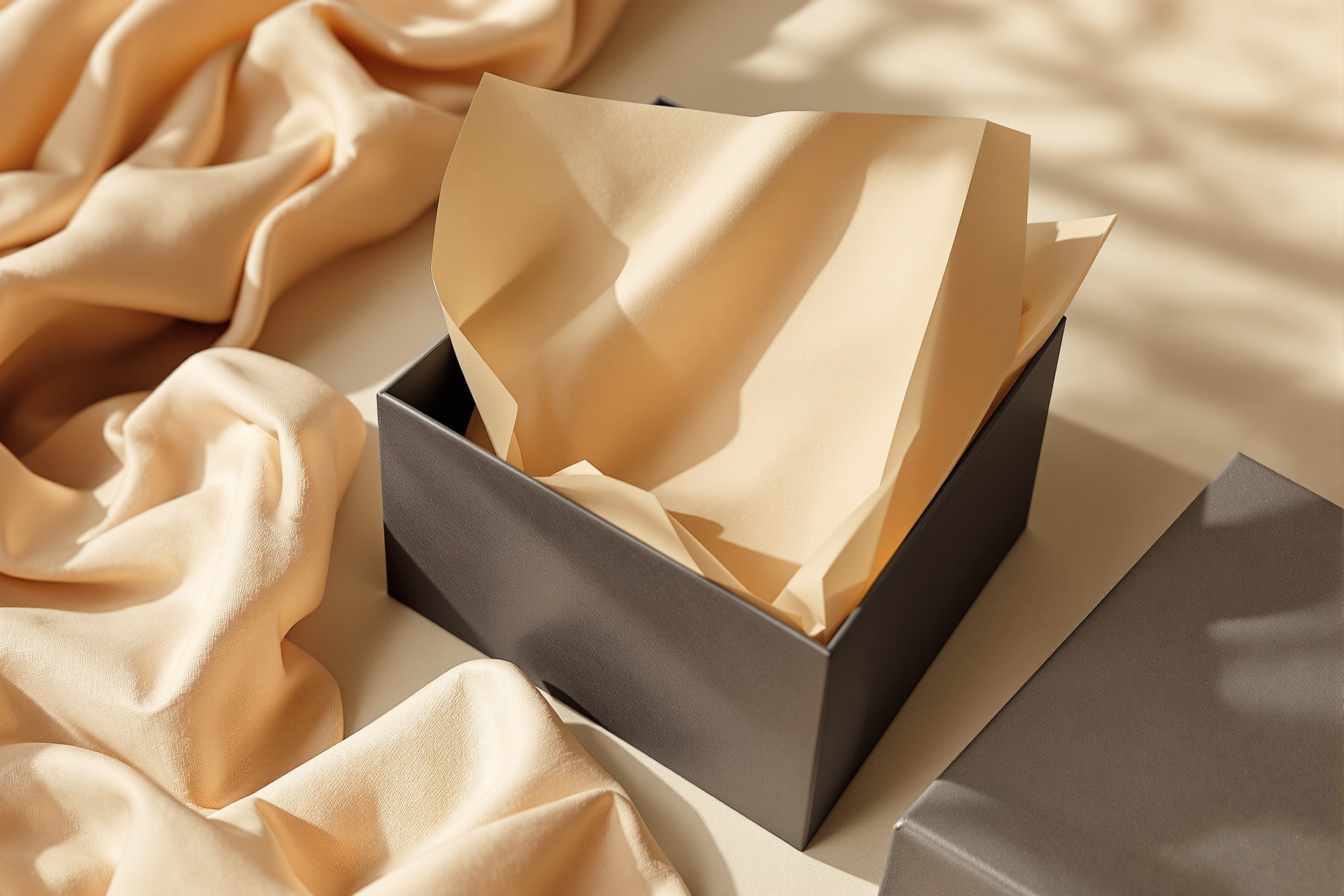
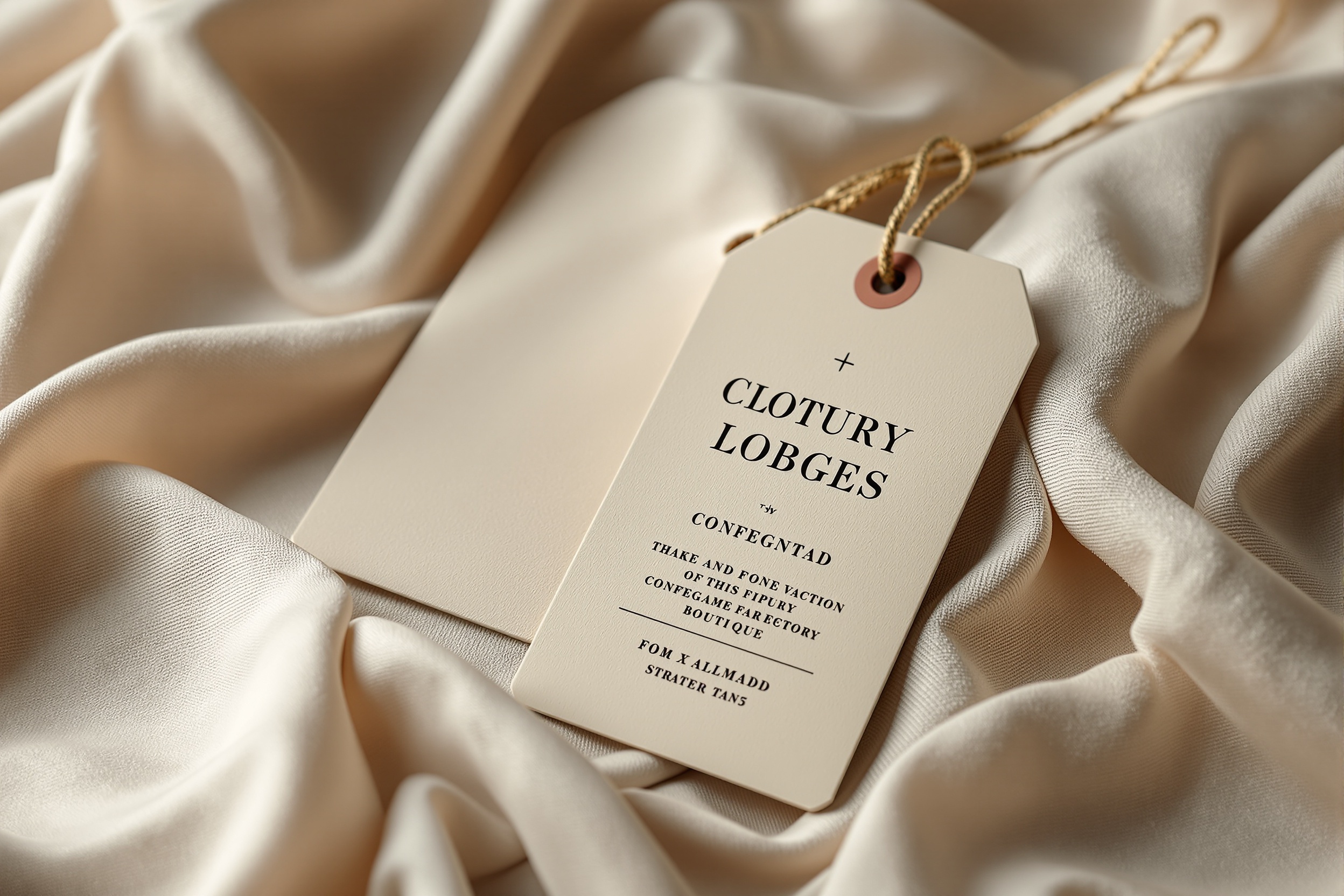
- Hang tags and tissue paper — packaging designed to make unboxing feel like opening something new
- Launch campaign social content — the Instagram presence that introduced the brand to Cebu
- Brand guidelines document — everything the team needed to stay on-brand without the founders policing it
- Social media template suite — post templates that let the brand grow without losing visual consistency
- Editorial flat lay direction — the photography guidelines that made every product shot look like magazine editorial
The Cebu Market: Why Brand Matters More Than Ever for Fashion and Retail
Fashion retail in Cebu City has become more competitive at every price point. The growth of online shopping, the rise of Instagram boutiques, and the increasing sophistication of Cebuano consumers means that brand perception is no longer a nice-to-have — it is the difference between a buyer choosing you or choosing the next account. The Second Haus launched into this market with a brand that could hold its own against established regional boutiques. Over 40 brand assets, eight weeks from first call to final files, and one identity carried from the logo to the hang tags.
What Fashion and Retail Brands in Cebu Can Learn From This
The investment in a complete brand system — not just a logo — is what separates the boutiques that become institutions from the ones that quietly disappear. If your brand is inconsistent across your packaging, your social media, and your in-person experience, you are creating friction every time a potential customer encounters you. The Second Haus invested in getting it right from the very first touchpoint — and it shows. See the full case study here.
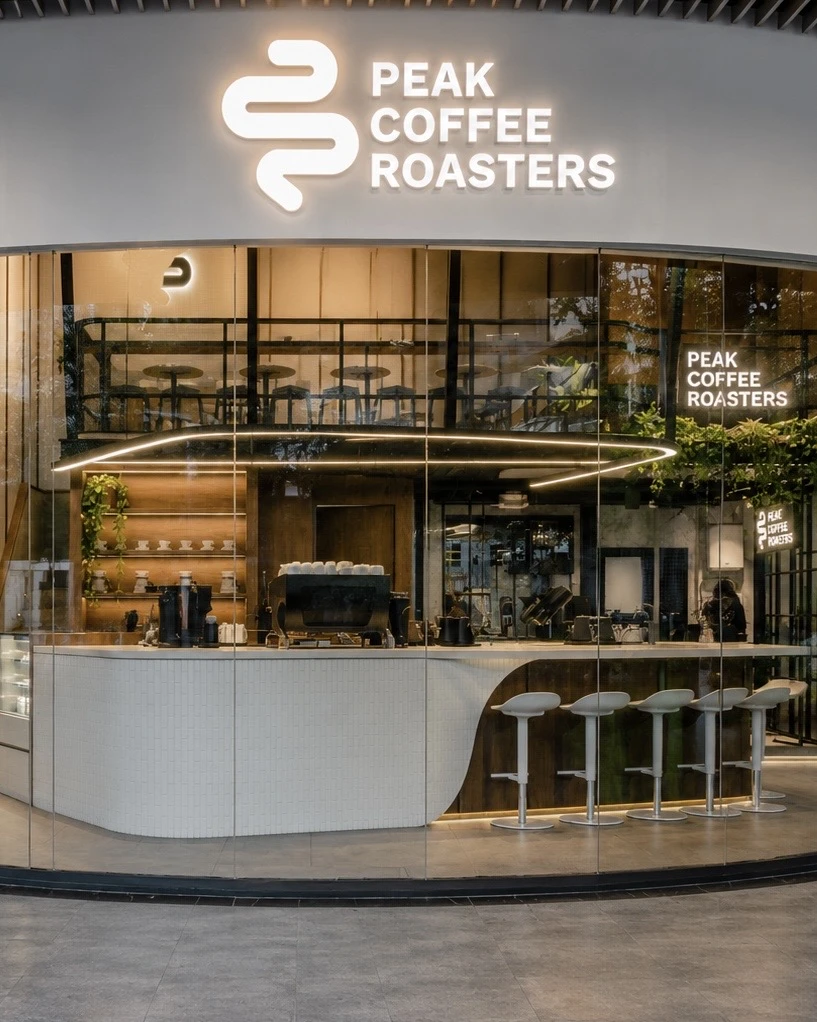
For more retail and hospitality identity work, see Peak Coffee Roasters and the full branding portfolio, or read what a complete identity includes in our services.
The trust problem in secondhand luxury
Resale carries a specific anxiety that first-hand retail does not. A buyer is asking two questions at once — is this authentic, and is this worth the price given someone else owned it first. Every element of the identity is either answering those questions or making them louder.
Brands that lean into the bargain framing lose here. Discount cues invite scepticism about authenticity, because cheap signalling and counterfeit goods share a visual vocabulary. The Second Haus needed to look like a boutique that happens to sell pre-owned pieces, not a marketplace that happens to be curated.
Why the serif does the heavy lifting
The logotype is a serif for a reason that is commercial rather than aesthetic. Serifs carry inherited authority — they read as established, considered, permanent. For a business whose entire proposition rests on being trusted with valuable goods, that association is doing measurable work before a single product is seen.
Packaging as the proof
In resale, packaging is disproportionately important because it is the only part of the transaction that is definitively new. The garment has a history; the box does not. A considered unboxing reframes the entire purchase — it tells the buyer they bought from a boutique, not from a stranger.
That is why the system extends to tissue, tags, cards and totes rather than stopping at a logo. Each touchpoint is a small reassurance, and they compound. It is the same logic behind consistent identity systems generally — see how we applied it in the Peak Coffee Roasters case study, where the proof had to live on a bean bag instead.
A palette that reads as a home
The earthy palette was chosen to evoke a beautifully kept home rather than a retail floor. That is deliberate positioning: consignment works on the idea that these pieces came from somewhere cared-for. Warm neutrals do that work quietly, and they photograph well against the enormous variety of products a resale business has to shoot.
Topics
Explore Huna Creatives