Every Cebu event runs on the same three questions. Where exactly is it. What am I supposed to wear. Am I still on the list. When the invitation is a JPEG in a Viber group, those questions come back to the host — one at a time, by private message, usually the night before.
A digital invitation moves all of it to one link. Not a form, not a Facebook event — an actual page on its own domain that holds the details, takes the RSVP, and stays live until the day itself. We have built several of these for Cebu couples and families, and the pattern that makes them work is consistent enough to write down.
What a Cebu event page actually needs
Cebu creates specific problems a generic template does not solve. Guests fly in from Manila and abroad. Venues sit in Mactan, up in Balamban, or down south past Carcar, where a pinned map matters more than an address. And the guest list crosses generations, so the page has to work for a titito on an old Android as well as a cousin on the latest iPhone.
The details that stop the follow-up questions:
- A live map pin, not a typed address — Cebu venues are frequently unfindable by name alone
- Ceremony and reception times stated separately, with travel time between them
- Dress code shown, not described — a colour swatch settles arguments that paragraphs do not
- RSVP that records who is coming, plus the plus-ones and the meal notes
- A page that loads on mobile data, because most guests will open it in transit
That last point is the one templates fail. A heavy invitation page on a slow connection is functionally a broken invitation. We treat mobile weight as a design constraint from the start — the same discipline we apply to the client sites in our web design portfolio.
Carlo & Trixia: an invitation that opens
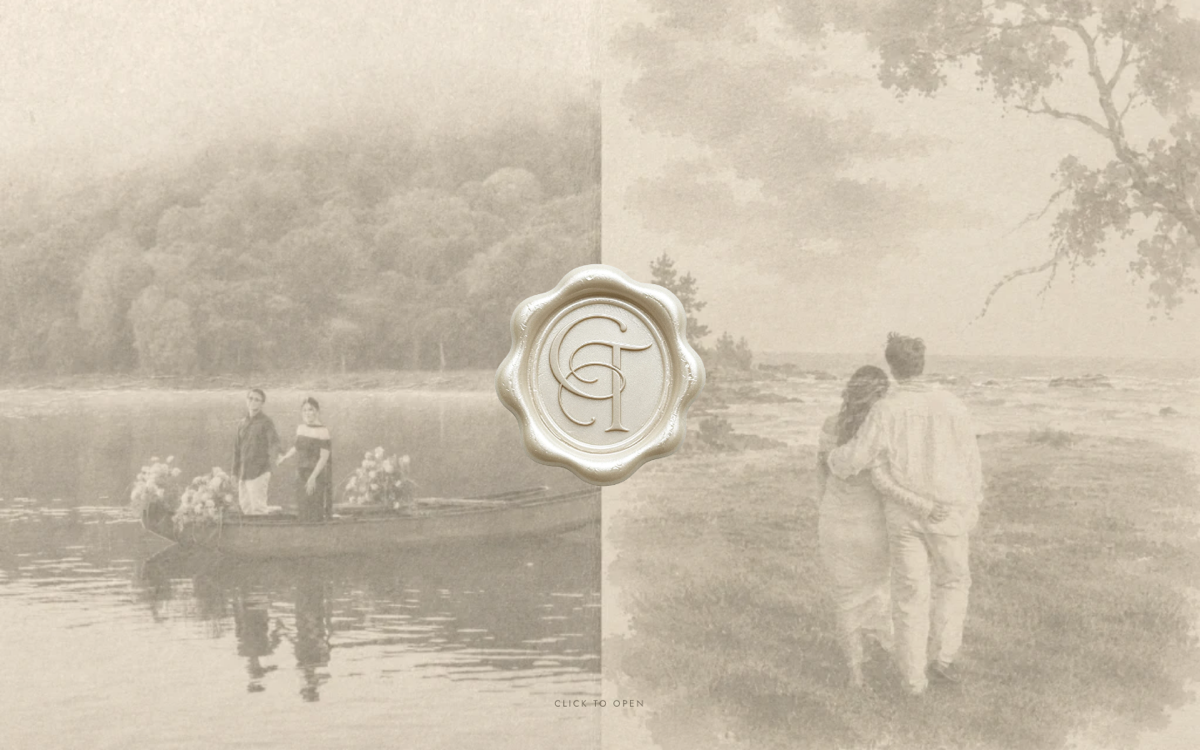
For carloandtrixia.com we started with a wax-sealed envelope. You click the seal, it breaks, and the invitation unfolds — story, entourage, dress code, RSVP. It is one small moment of ceremony that a JPEG cannot do, and it sets the tone before a single detail is read.
Underneath the flourish, it is a working tool. The RSVP feeds a list the couple can actually read, so the headcount stops living in screenshots. The dress code has its own section, so nobody has to ask. And because it sits on its own domain, it can be printed on the physical invite as a short line: scan for details.
“The invitation is the first thing your guests experience. It should feel like the event, not like a form.”
Milestone birthdays deserve the same treatment
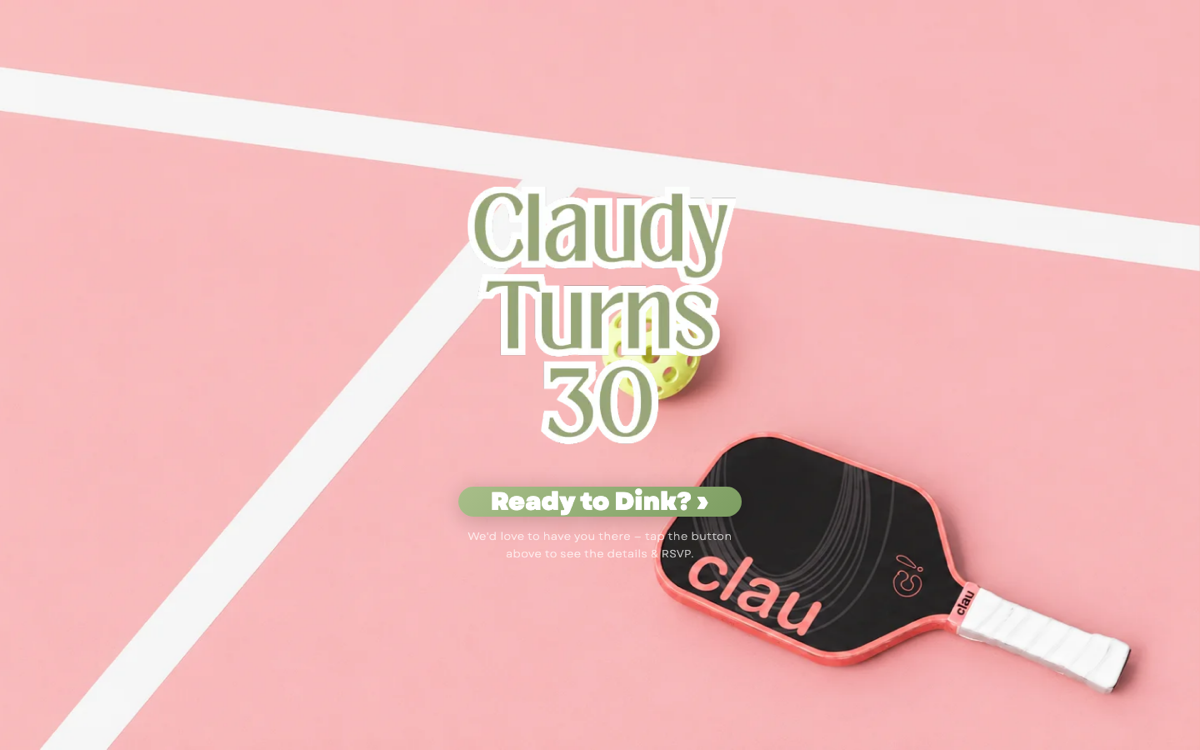
Weddings get the budget, but 30ths, 40ths and 50ths carry the same logistics. We built gelat30.com around hand-lettered type and pressed-flower watercolour, and tercelat41.com with glitter-cut numerals styled like a printed keepsake. Different personalities entirely — which is the point. A milestone invitation should look like the person, not like a template someone else used last month.
That is a branding decision as much as a design one. The same thinking we bring to brand identity work applies at the scale of a single event: choose a voice, commit to it, and let every element follow.
What it costs you not to have one
The real expense of a JPEG invitation is not design — it is your own time. Every unanswered question becomes a message you personally reply to, in the week you are least able to. Multiply that across two hundred guests and the maths gets uncomfortable.
What a live page absorbs on your behalf:
- Directions, at any hour, without you answering
- Headcount that updates itself instead of living in a notebook
- Late changes — a moved time or venue reaches everyone instantly
- Dietary and plus-one details collected once, in one place
- A gallery link afterwards, on the same domain guests already have
Working with a Cebu team
We are based in Cebu, which matters more than it sounds. We know which venues are hard to find, how Philippine guest lists actually behave, and why a page has to survive a patchy signal in Balamban. You can see the full range of what we build on our web design portfolio, alongside client work like Hulma Cebu.
If you are planning something — a wedding, a 30th, a debut — the invitation is the first thing anyone sees. It is worth more than a screenshot. Come talk to us about it.

The questions a Cebu guest list always asks
Every host we have worked with underestimates the same thing: how many guests will ask a question that is already answered on the invitation. That is not carelessness on their part. A JPEG in a group chat is buried within an hour, and nobody scrolls back through six weeks of messages to find it.
A link survives that. It sits in the same message thread, but it always resolves to the current version — which matters enormously when a call time shifts or a venue changes. The page is the single source of truth, and it updates without anyone having to re-broadcast anything.
Print and digital work together, not against each other
Filipino weddings still print. That is not a problem to solve, it is a constraint to design around. The printed invitation carries the ceremony and the emotional weight; the site carries everything that might change and everything too long to print.
In practice that means a short, memorable domain on the printed card — not a QR code buried in a corner, which reads as an afterthought. The domain does double duty: it is easy to type from memory, and it looks intentional on paper.
Topics
Explore Huna Creatives