Selling a material is a harder brief than selling a product. Nobody buys architectural fiberglass because the photography was nice. They buy it because a specifier decided it would hold up, arrive on schedule, and survive the detail they have drawn — and most of that decision happens before anyone picks up a phone.
Hulma Cebu fabricates architectural fiberglass for commercial, hospitality and residential projects. The work is genuinely custom, which is exactly what makes it hard to put on a website: there is no catalogue of SKUs to list, and no single photograph that explains what the company can do.
Design for the specifier, not the browser
The visitor who matters here is not a homeowner idly browsing. It is an architect, an interior designer, or a project manager checking whether this supplier is credible enough to put into a drawing. That person has a specific and unromantic set of questions, and the site is judged on how fast it answers them.
What a specifier is actually looking for:
- Has this fabricator done work at my project’s scale before
- What can the material actually do — spans, finishes, tolerances
- Is it lightweight enough for the structure I have already designed
- Can they work from my drawings rather than a fixed product range
- Who do I talk to, and how quickly will they come back to me
So the structure follows those questions rather than a conventional marketing funnel. Capability first, evidence second, contact never more than a click away.
Project galleries as proof, not decoration
For a custom fabricator, past projects are the entire argument. The galleries are built to be scanned by someone assessing scale and finish, not scrolled for inspiration — each project shown in enough detail that a designer can judge whether their own job is comparable.
“In B2B, the portfolio is not a flourish at the end of the site. It is the product page.”
One lead flow, qualified early
The enquiry flow asks for project type and scope up front. That is a deliberate trade: slightly fewer submissions, considerably better ones. A fabricator does not need volume of enquiries — they need enquiries that are worth quoting, and a form that filters at the front saves a week of back-and-forth at the back.
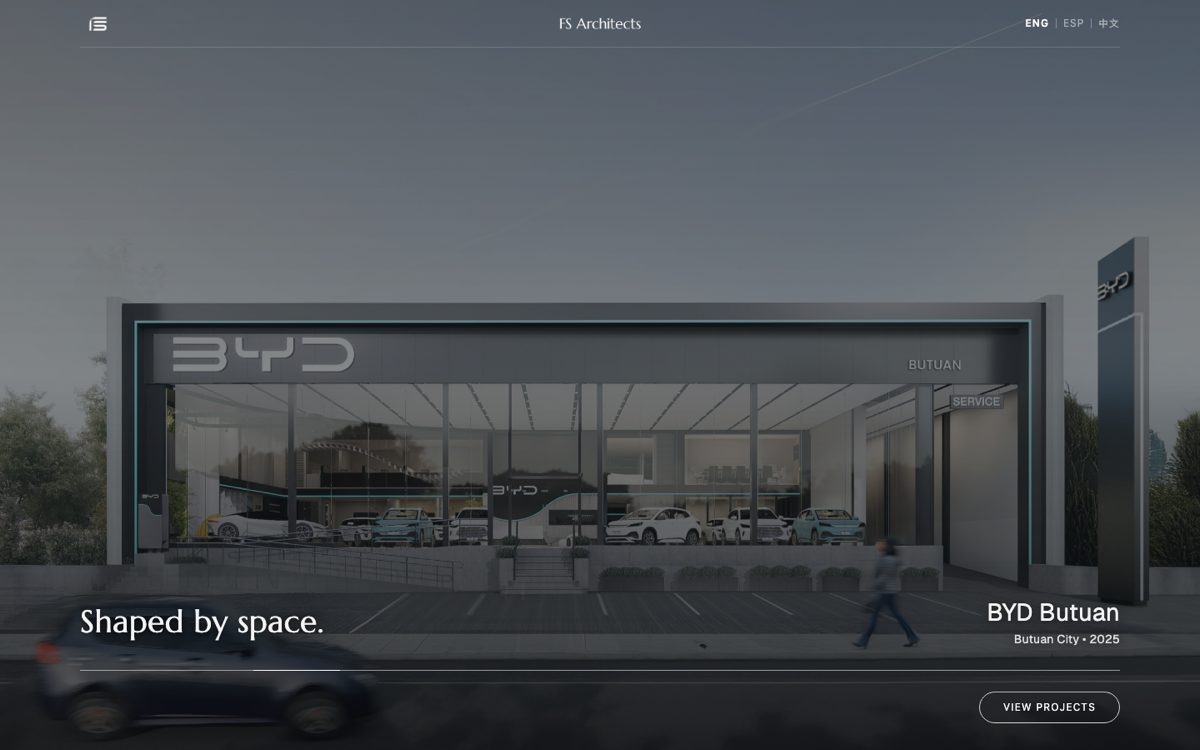
It is the same discipline behind every commercial site we build — the clearest recent example being FS Architects, where the public site had to carry the practice while a separate app ran everything behind it.
Materials brands are their own category
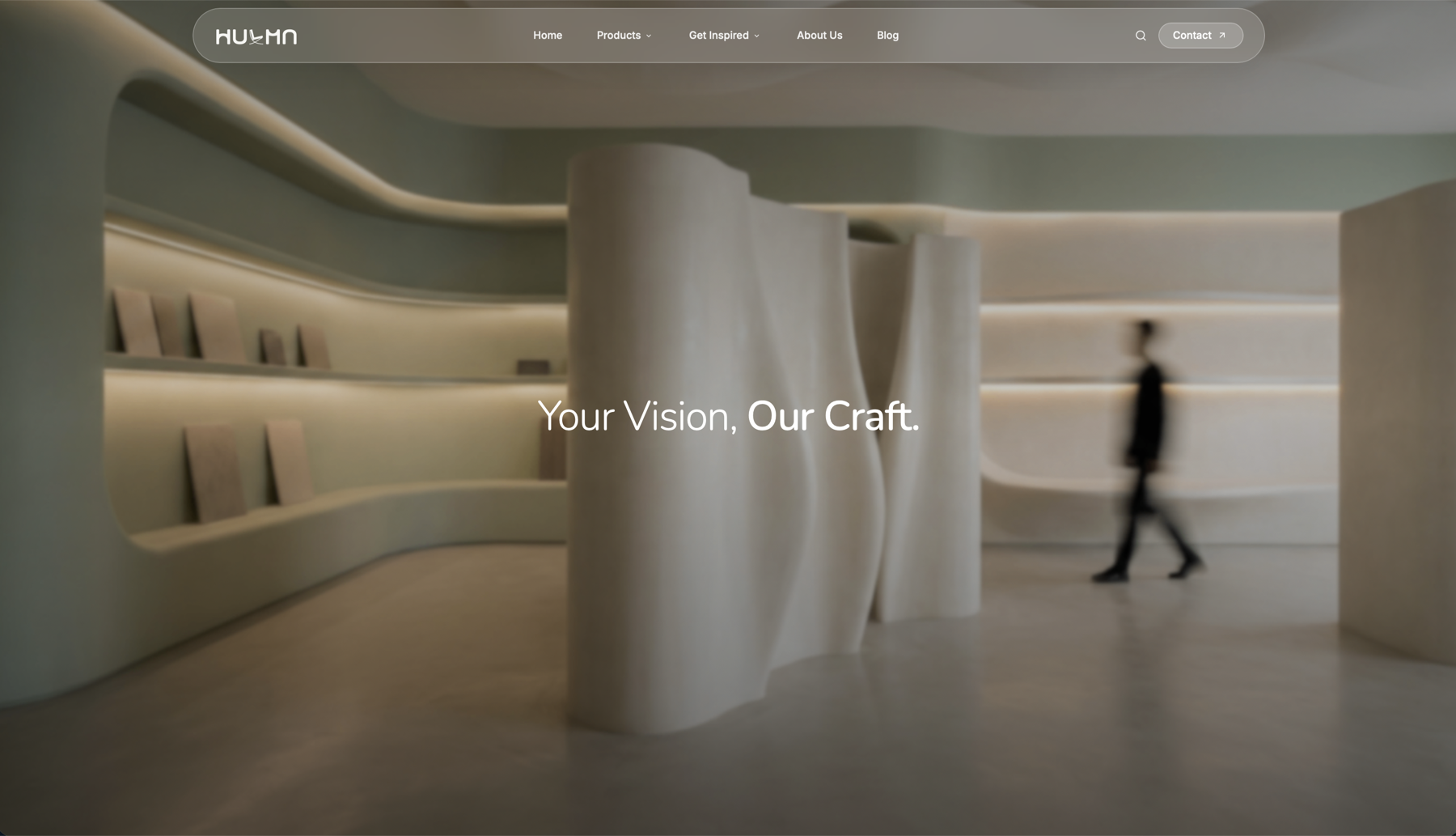
A materials supplier sits awkwardly between a manufacturer and a service business. The website has to do the work a showroom would — convey quality through the screen, and stand in for the sample a designer cannot hold. That means restraint, generous imagery, and no visual noise competing with the material itself.
You can see the site in our web design portfolio alongside SmartGrid Western and FS Architects, or read how we approach identity work in the startup branding guide. If you sell something that has to be specified rather than simply bought, come talk to us.
Why manufacturers get websites wrong
Most fabricator sites are built like brochures: a history section, a mission statement, a grid of stock photography, and contact details at the bottom. That structure serves the company telling its story, not the specifier trying to make a decision — and the specifier is the one with the budget.
The inversion is simple but uncomfortable for a lot of clients. Capability and evidence go first. The company story, if it appears at all, appears after someone has decided you are technically credible. Nobody has ever specified a material because they were moved by a founding anecdote.
Photography is the specification
For a custom fabricator, images carry information rather than mood. A designer looking at an installation is reading joint lines, surface finish, how the material meets adjacent surfaces, and how it holds up at the scale shown. Beautifully lit photography that hides those details is actively unhelpful.
So the galleries favour clarity over drama, and show work at a size where those details survive. It is the opposite instinct to a hospitality or retail brand, where atmosphere is the product — and it is why materials brands sit in a category of their own.
Speed of response is part of the design
For B2B enquiries, the site’s job does not end at submission. A specifier is usually comparing two or three suppliers in the same week, and the one that responds with a relevant answer first has a structural advantage regardless of price.
Collecting project type and scope up front is what makes that possible — the first reply can be substantive instead of a request for more information. The form is doing sales work, not just data capture.
Topics
Explore Huna Creatives