The short answer
- Excel or Google Sheets
- A handful of employees on fixed salaries, no overtime, and one person who understands every formula.
- Off-the-shelf payroll app
- A standard setup you are happy to configure yourself, priced per employee.
- Sentro OS
- Small teams that want attendance, leave, payroll, payslips and SOPs in one place — set up for them, not by them.
Most small Philippine businesses run payroll in a spreadsheet, and for a while that is fine. The trouble is not the arithmetic. It is the rules: contribution tables that change, holiday premiums that depend on the calendar, overtime that depends on the day, and leave that has to land in the right cutoff. A spreadsheet holds all of that in one person’s head.
What Philippine payroll has to get right
| Rule | What it requires | Where spreadsheets slip |
|---|---|---|
| SSS | 15% of the monthly salary credit (10% employer, 5% employee); credit from ₱5,000 to ₱35,000 | Bracket lookups copied from last year’s table |
| PhilHealth | 5% premium split evenly, on a ₱10,000 floor and ₱100,000 ceiling | Floor and ceiling forgotten for low or high earners |
| Pag-IBIG | 2% each from employer and employee, capped at ₱200 | Cap not applied after a raise |
| 13th month pay | 1/12 of the year’s basic salary, paid by December 24 | Mid-year hires and unpaid leave prorated by hand |
| Overtime | +25% of the hourly rate on ordinary days; more on rest days and holidays | Rest-day and holiday overtime treated as ordinary |
| Night shift differential | +10% for work between 10 PM and 6 AM | Shifts that cross midnight split wrongly |
| Regular holidays | 200% of the daily rate if worked | Holiday calendar updated late, or not at all |
| Service incentive leave | Five days a year after one year of service | Balances tracked in a separate file, or in chat |
None of these is hard on its own. Together, every cutoff, for every employee, they are where errors come from — and payroll errors are the kind employees notice first.
What the options cost
Swipe the table for more
| Option | Cost | Setup | Covers |
|---|---|---|---|
| Excel or Google Sheets | Free, plus the hours each cutoff takes | You build it | Whatever you build and maintain |
| Cloud payroll apps | Roughly ₱100–₱500 per employee a month | You configure it | Payroll, usually; HR modules vary by plan |
| Sentro OS — Starter | ₱2,500/month for 5 seats, plus ₱15,000 one-time setup | We build it with you | Attendance, payroll, documents, projects |
| Sentro OS — Growth | ₱5,999/month for 10 seats, plus ₱25,000 one-time setup | We build it with you | Adds overtime and time-off approvals, project payouts, audit log |
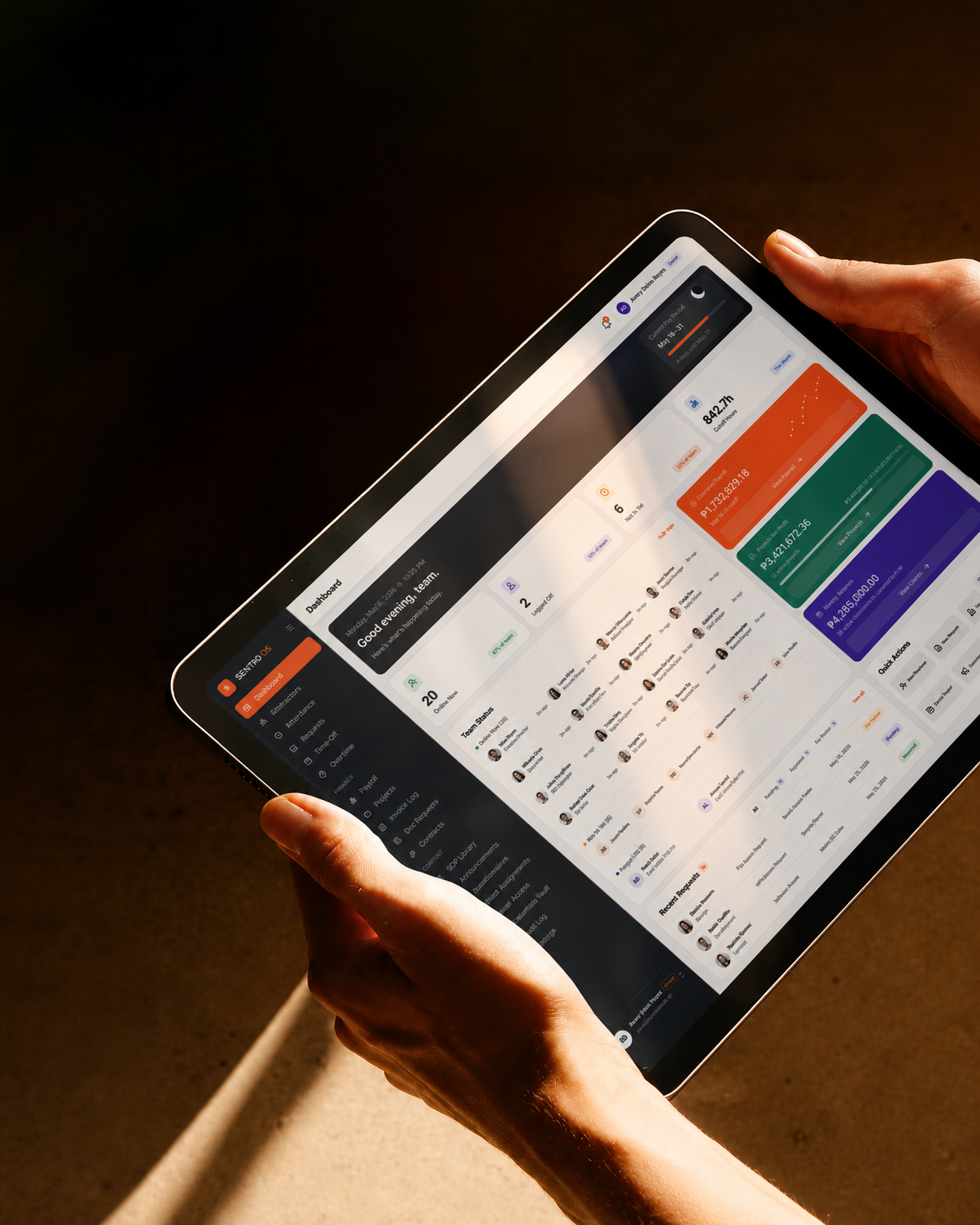
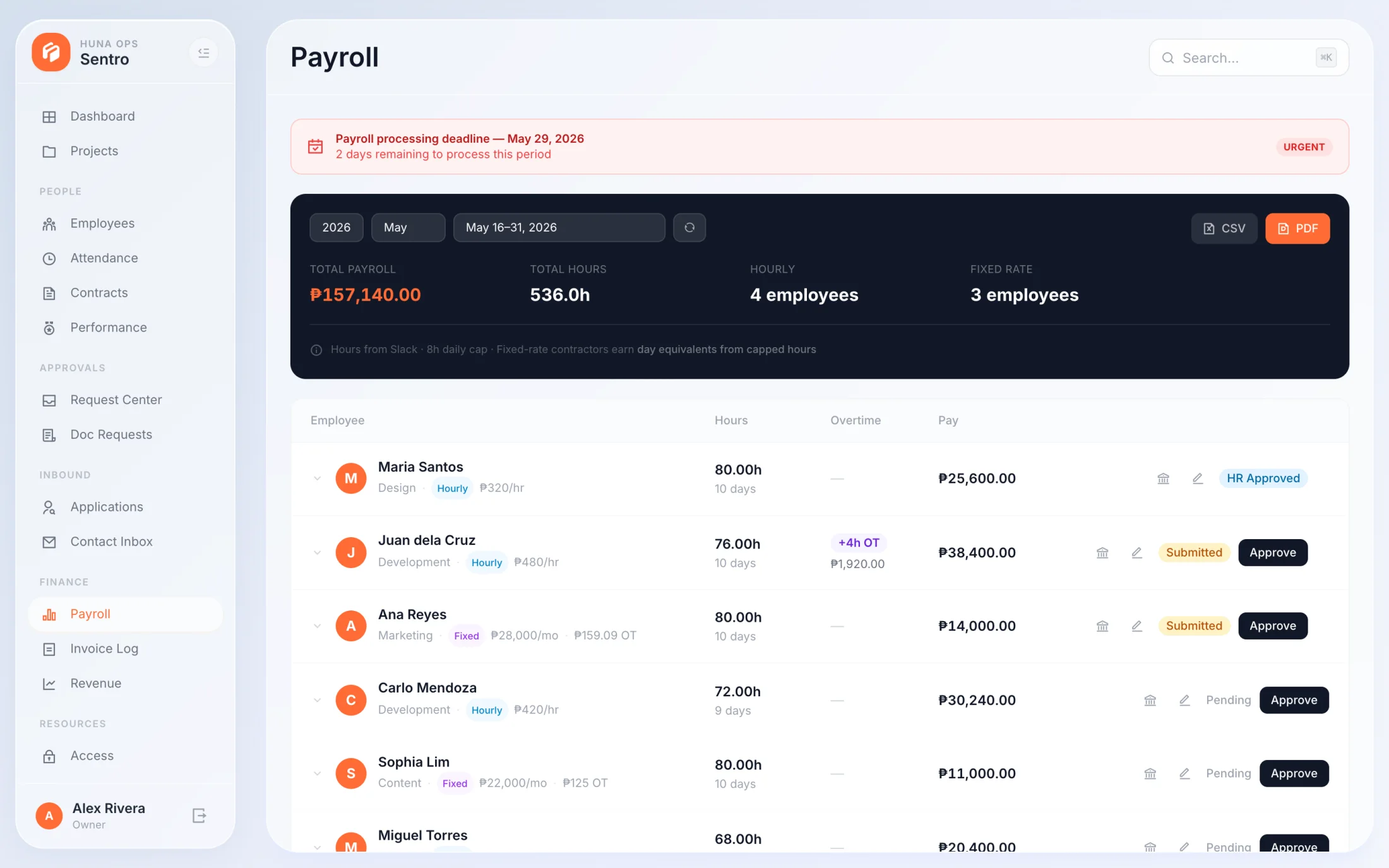
See Sentro OS run a real payroll.
Attendance, leave, payroll and payslips in one hub, set up for your team. Try the live demo or book a call.
When a spreadsheet is enough
Stay on Excel if all of these are true:
- Everyone is on a fixed monthly salary.
- Nobody works overtime, nights, rest days or holidays.
- One person owns the file, understands every formula, and has a backup.
- Leave requests are rare and easy to track.
When it is time to move
Move when any of these start happening:
- Payroll takes most of a day each cutoff.
- Hourly, fixed-rate and project-based employees share one payroll.
- Attendance lives in one place, leave in another, and payroll in a third.
- An employee has caught a payslip error.
- Only one person can run payroll, and they want a holiday.
How Sentro OS handles it
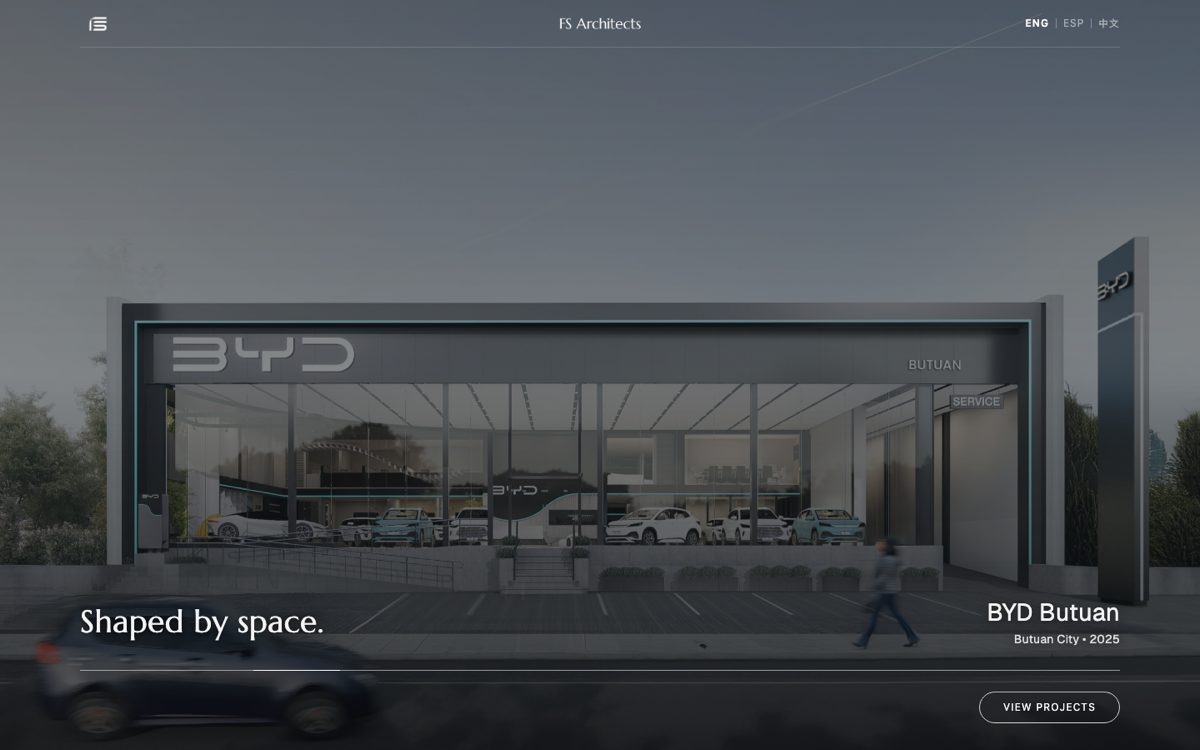
We built Sentro OS for Huna first, then for clients. Employees punch in and out from Slack; the hub records the time, flags overtime and feeds it into payroll. Time off approved in the hub lands in the right cutoff automatically. For FS Architects, the same system runs attendance, leave, payroll, payslips and staged appraisals, and installs on staff phones like an app.
Questions people ask
Can I do payroll in Excel in the Philippines?
Yes, for a small team on fixed salaries with no overtime, night work or holiday work. It gets risky once pay types mix, contribution tables change, or only one person understands the file.
How much is payroll software in the Philippines?
Cloud payroll apps run roughly ₱100–₱500 per employee a month (KAMI, May 2026). Sentro OS, which Huna Creatives sets up and maintains for each team, is ₱2,500 a month for 5 seats with a ₱15,000 setup, or ₱5,999 a month for 10 seats with a ₱25,000 setup.
What are the 2026 SSS, PhilHealth and Pag-IBIG rates?
SSS is 15% of the monthly salary credit (10% employer, 5% employee) on credits from ₱5,000 to ₱35,000. PhilHealth is 5%, split evenly, on a ₱10,000 floor and ₱100,000 ceiling. Pag-IBIG is 2% each from employer and employee, capped at ₱200.
Is Sentro OS a SaaS I can sign up for?
No. Each team gets its own instance, configured by Huna Creatives around how the team works over two to four weeks, then maintained after launch.
Sources
- Forvis Mazars — SSS contribution rate increased to 15% (2025)
- Philstar — PhilHealth retains 5% premium rate for 2025
- Forvis Mazars — Pag-IBIG Circular 460 (contribution cap)
- Presidential Decree No. 851 — 13th month pay (LawPhil)
- Labor Code of the Philippines, PD 442 — Arts. 86, 87, 93, 94, 95 (LawPhil)
- KAMI — Payroll software vs spreadsheets in the Philippines (May 2026)
Topics
Explore Huna Creatives